
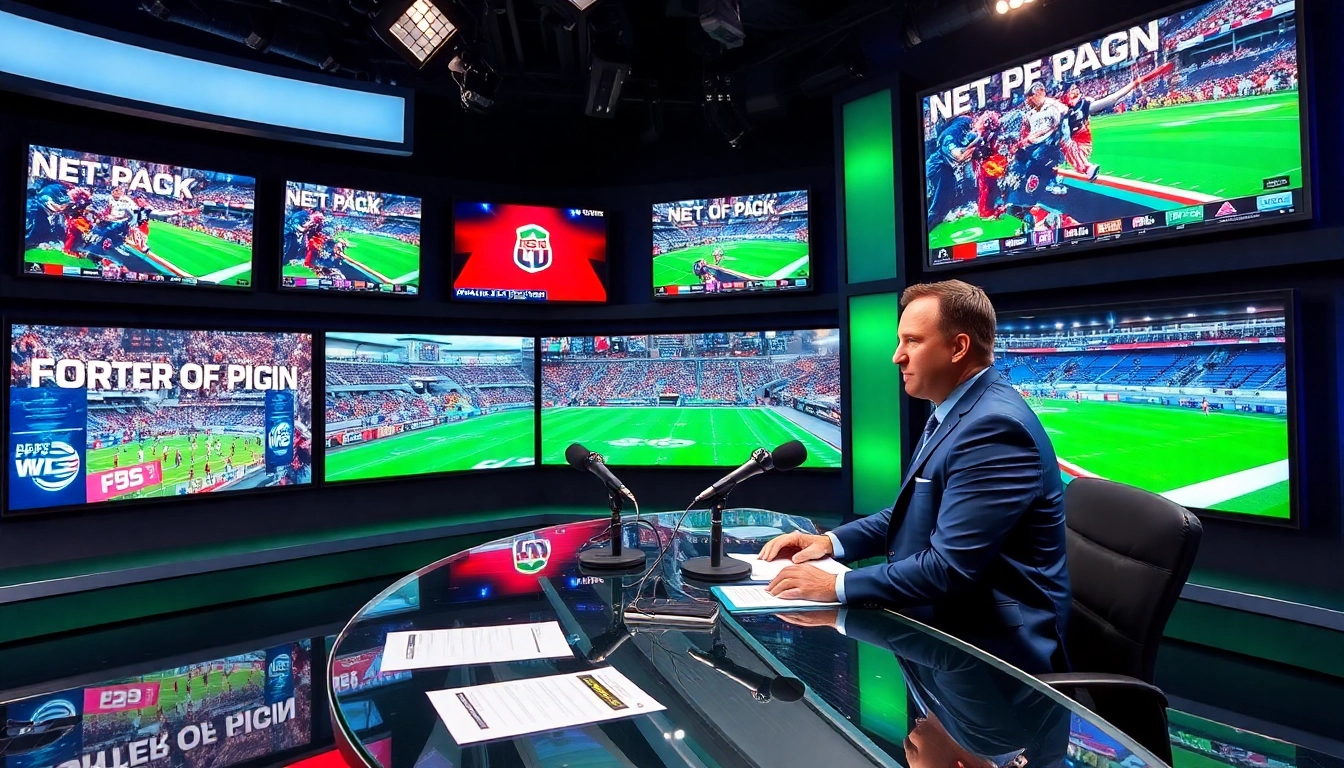
Understanding Sports Broadcasting Fundamentals
In an era where instant access to information is paramount, Sports Broadcasting has evolved into a pivotal medium for sports enthusiasts worldwide. This field encompasses the live transmission of sports events, encompassing a range of platforms including television, radio, and digital channels. From casual viewers to die-hard fans, sports broadcasting plays an integral role in the sharing and celebration of athletic achievements, narratives, and community spirit.
What is Sports Broadcasting?
Sports broadcasting refers to the overall process through which live sporting events are transmitted to audiences through various media channels. This includes television, radio, and the internet, providing real-time coverage and analyses. It allows viewers to engage with their favorite teams and athletes, whether from the comfort of their homes or on-the-go. The comprehensive nature of sports broadcasting encompasses play-by-play commentary, pre-and post-game shows, highlights, and in-depth analyses.
History and Evolution of Sports Broadcasting
The origins of sports broadcasting date back to the early 20th century when the first radio broadcasts of live sports events began. As technology progressed, key milestones such as the first televised baseball game in the 1930s marked significant advancements in the medium's accessibility. With the advent of cable television in the 1980s, the landscape transformed again, leading to niche channels dedicated exclusively to sports. The rise of the internet and streaming services in the 21st century has further revolutionized sports broadcasting, enabling fans to access content anytime and anywhere, creating a plethora of viewing options tailored to diverse audiences.
Key Roles in Sports Broadcasting
Sports broadcasting involves a multitude of professionals, each playing a crucial role in delivering engaging content. Key figures include:
- Commentators: These individuals provide live commentary, conveying the action in real-time with analyses that enhance the viewing experience.
- Producers: Responsible for orchestrating the entire broadcast from scheduling to execution, ensuring everything runs smoothly.
- Cameramen: They capture the event visually, ensuring that critical moments are filmed from the right angles.
- Technical Directors: Oversee the technical aspects, ensuring quality audio-visual outputs.
- Researchers: They provide background information and statistics, enriching the conversation during broadcasts.
Types of Sports Broadcasting Platforms
Traditional Television vs. Streaming Services
Traditionally, television has served as the primary medium for sports broadcasting, with cable and satellite channels offering dedicated sports coverage. However, the landscape is shifting in favor of streaming services, which provide on-demand content and the flexibility to watch from various devices. Services such as Hulu Live, YouTube TV, and ESPN+ allow viewers to curate their sports experience, challenging conventional broadcast models and giving rise to user-focused programming.
Radio Broadcasting: Reach and Impact
Despite the rise of digital platforms, radio broadcasting remains a significant medium, particularly in regions with limited access to television or the internet. Radio sports broadcasts offer immediacy and accessibility, making live coverage available to audiences on the move. This medium allows for a unique relationship between broadcasters and listeners through companion content during live events.
Social Media and Digital Platforms
Social media platforms are reshaping how sports content is consumed. Platforms like Twitter, Facebook, and Instagram engage healthy discussions, serve highlights, and allow behind-the-scenes peeks into events, effectively creating a vibrant community around sports. Additionally, digital platforms such as podcasts and YouTube channels delve into analyses, interviews, and fan interactions, enhancing the broadcasting landscape and offering varied content styles.
Technical Aspects of Sports Broadcasting
Equipment Used in Sports Broadcasting
The technical components of sports broadcasting are paramount for delivering high-quality content. Essential equipment includes cameras, microphones, switchers, and broadcasting servers. High-definition cameras capture the action in vivid detail, while professional-quality microphones enhance audio clarity, ensuring that the excitement of live sports comes through effectively. Data collection tools also play a key role in providing real-time statistics for further audience engagement.
Live Streaming Technologies Explained
Live streaming technologies are at the heart of modern sports broadcasting, crucial for delivering content to viewers in real-time. Technologies such as Real-Time Messaging Protocol (RTMP) and Adaptive Bitrate Streaming (ABR) ensure seamless viewer experiences by adjusting the video quality based on internet speed. Closed captioning and other accessibility features further enhance the inclusivity of live sports events.
Graphics and Visual Enhancements
Graphics play an essential role in captivating audiences and providing context during broadcasts. From displaying player statistics to highlighting key moments in play, visual enhancements create a richer viewing experience. Advanced software such as broadcast graphics systems improves real-time action visualization, ensuring that viewers remain engaged with the unfolding narrative of the event.
Engaging Your Audience: Best Practices
Crafting Compelling Narratives
In sports broadcasting, storytelling is vital. Broadcasters should strive to weave compelling narratives around the events they cover, showcasing personal stories of athletes and team dynamics. Effective narratives foster emotional connections, transforming mere spectators into loyal supporters. This connection can be highlighted through pre-and post-game commentary, player interviews, and historical context surrounding a sports event.
Interactive Content for Sports Fans
Engagement during broadcasts can be significantly amplified by incorporating interactive content. Tools such as polls, live chats, and social media integration allow fans to participate, share opinions, and influence the broadcast experience. Real-time interaction on platforms encourages a sense of community and gives broadcasters immediate feedback, which adds value to the viewer's experience.
Utilizing Viewer Feedback
To keep content relevant and engaging, broadcasters must actively solicit and incorporate viewer feedback. Analyzing viewer preferences through surveys, focus groups, and social media engagement can yield valuable insights for content direction. Adapting programming based on this feedback helps in building a loyal fan base and enhances overall satisfaction.
Measuring Success in Sports Broadcasting
Key Performance Indicators (KPIs)
To gauge the effectiveness of sports broadcasting, various Key Performance Indicators (KPIs) are utilized. Metrics such as viewer ratings, audience reach, and engagement levels provide insight into the performance of broadcasts. These indicators help in assessing the success of programming and can inform future content strategies to enhance overall engagement.
Techniques for Audience Analysis
Understanding audience demographics and behavior is pivotal for effective sports broadcasting. Techniques such as viewer analytics tools, A/B testing, and social sentiment analysis help broadcasters gauge how well their content resonates. Tailoring programming to meet the evolving preferences of audiences contributes significantly to sustained engagement and listener loyalty.
Case Studies of Successful Sports Broadcasting
Examining successful case studies in sports broadcasting reveals best practices and innovative approaches. For instance, integrating augmented reality elements enhanced viewer engagement during major events, such as spectral overlays displaying player statistics in real-time. These examples serve as valuable lessons for broadcasters seeking to elevate their programming and connect deeply with their audiences.
Frequently Asked Questions
What is the future of sports broadcasting?
The future of sports broadcasting is centered around enhanced viewer engagement through virtual reality, interactive features, and personalized content on digital platforms.
How do streaming services impact sports broadcasting?
Streaming services provide flexible viewing options, challenge traditional broadcasting models, and cater to diverse audience preferences by offering on-demand content.
What role does social media play in sports broadcasting?
Social media enhances audience interaction, provides immediate feedback, and serves as a platform for delivering highlights and updates, creating a community around sports.
How can producers improve viewer engagement?
Producers can improve engagement by utilizing storytelling techniques, integrating interactive content, and analyzing viewer feedback to tailor programming effectively.
What are the key performance metrics in sports broadcasting?
Key performance metrics include viewer ratings, audience reach, engagement levels, and viewer demographics, helping to assess the effectiveness of broadcasts.